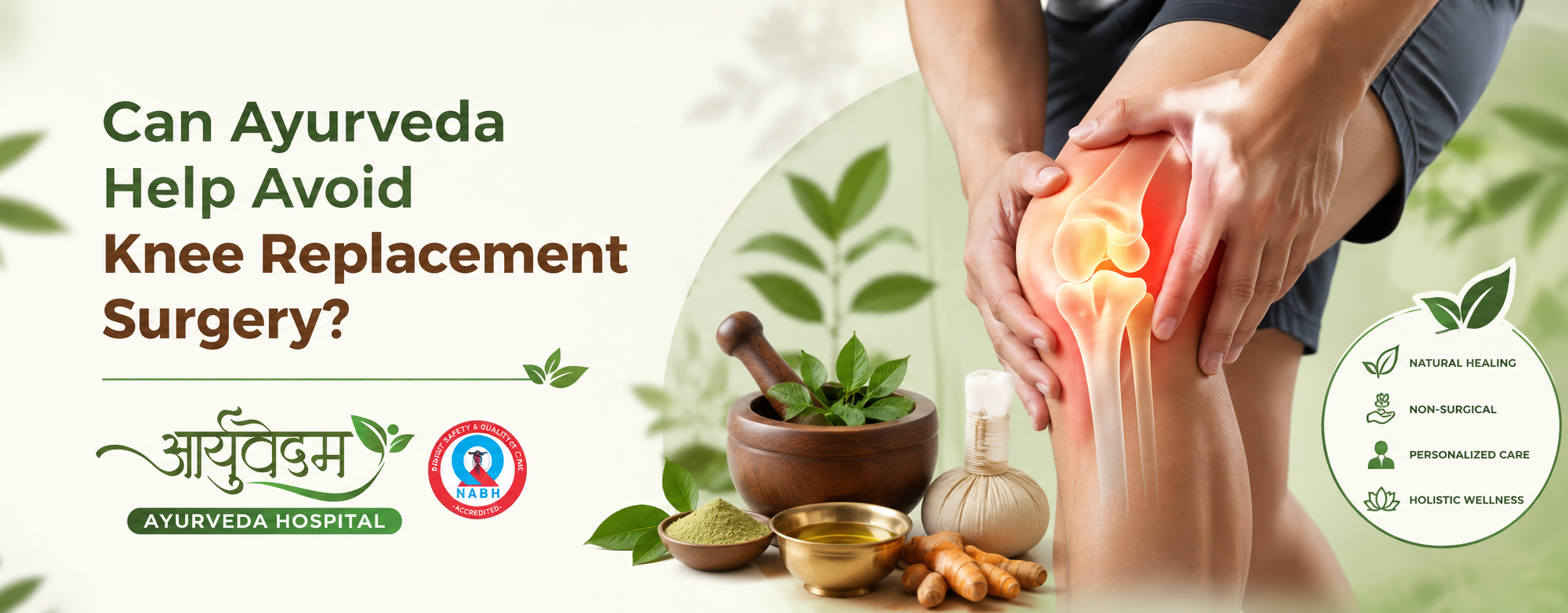

Knee pain is one of the most common health concerns affecting adults, especially after the age of 40. Conditions such as osteoarthritis, cartilage degeneration, joint stiffness, and chronic inflammation can gradually reduce mobility and impact daily life. When pain becomes severe, many patients are advised to consider knee replacement surgery.
But is surgery always the only option?
Many people today are exploring Ayurveda as a natural and holistic approach to managing knee pain and improving joints health. In certain cases, Ayurvedic treatment may help reduce symptoms, improve mobility, and potentially delay or avoid the need for knee replacement surgery. However, the outcome depends on the severity of joint damage and the individual’s overall health condition.
Understanding Knee Osteoarthritis
Osteoarthritis is a degenerative joint condition in which the protective cartilage between the bones gradually wears down. This can lead to:
- Knee pain during walking or climbing stairs
- Joint stiffness, especially in the morning
- Swelling and inflammation
- Reduced flexibility
- Difficulty performing daily activities
As the condition progresses, some patients may be advised to undergo knee replacement surgery when conservative treatments no longer provide adequate relief.
How Does Ayurveda View Knee Problems?
According to Ayurveda, many knee disorders are associated with an imbalance of Vata Dosha, which can lead to dryness, degeneration, stiffness, and pain in the joints. The Ayurvedic approach focuses on improving joint nourishment, supporting mobility, reducing inflammation, and promoting overall musculoskeletal wellness rather than only managing symptoms.
Can Ayurveda Help Avoid Knee Replacement Surgery?
The answer depends on the stage of osteoarthritis and the extent of joint damage.
For individuals with early to moderate osteoarthritis, Ayurvedic therapies may help:
- Reduce pain and stiffness
- Improve joint mobility
- Support muscle strength around the knee
- Promote better joint lubrication
- Improve quality of life and daily functioning
Research has shown that Ayurvedic treatment approaches may provide clinically significant improvements in knee osteoarthritis symptoms and physical function. A randomized controlled trial involving knee osteoarthritis patients found that Ayurvedic treatment resulted in meaningful improvements in pain and mobility outcomes.
Ayurvedic Therapies Commonly Used for Knee Pain
At an Ayurvedic hospital, treatment plans are personalized and may include:
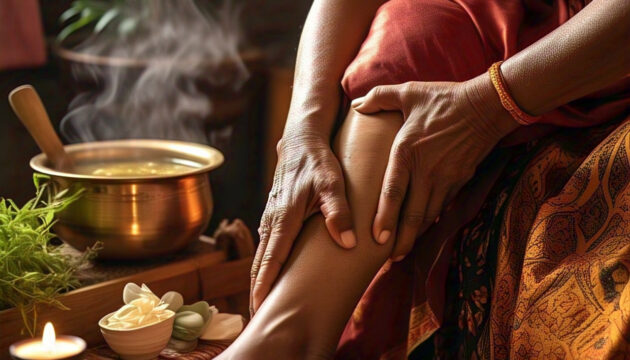
Janu Basti
A specialized therapy where warm medicated oil is retained over the knee joint to support joint comfort and flexibility.
Abhyanga (Therapeutic Oil Massage)
Helps relax muscles, improve circulation, and support joint nourishment.
Swedana (Herbal Steam Therapy)
Promotes relaxation, flexibility, and improved movement.
Panchkarma Therapies
Selected Panchkarma procedures may be recommended based on individual health needs and Ayurvedic assessment.
Diet & Lifestyle Guidance
Weight management, balanced nutrition, appropriate physical activity, and healthy lifestyle habits play a significant role in maintaining joint health.
When Should You Consider Ayurvedic Care?
You may benefit from an Ayurvedic consultation if you experience:
- Persistent knee pain
- Early-stage arthritis
- Joint stiffness
- Difficulty walking or climbing stairs
- Desire to explore non-surgical options
- Need for long-term joint wellness support
Early intervention often provides better outcomes than waiting until joint degeneration becomes severe.
Conclusion
Knee replacement surgery may be necessary in some advanced cases, but it is not always the first or only option. Ayurveda offers a holistic approach that focuses on pain management, improved mobility, joint support, and overall wellness. For many individuals with early to moderate knee osteoarthritis, Ayurvedic treatment and Panchkarma therapies may help improve quality of life and potentially delay the need for surgery.
If you are experiencing chronic knee pain, consult an experienced Ayurvedic doctor to understand your condition and explore personalized treatment options.
Frequently Asked Questions
Can Ayurveda cure knee osteoarthritis?
Osteoarthritis is a chronic condition. Ayurveda focuses on managing symptoms, improving mobility, and supporting joint health rather than claiming a complete cure.
Can Ayurveda help avoid knee replacement surgery?
In some early and moderate cases, Ayurvedic therapies may help improve symptoms and delay the need for surgery. Results vary depending on the severity of the condition.
What is the best Ayurvedic therapy for knee pain?
Treatment is individualized. Therapies such as Janu Basti, Agni Karma, Abhyanga, Swedana, and Panchkarma may be recommended based on the patient’s condition.
How long does Ayurvedic treatment take to show results? Many individuals notice improvement within a few weeks, although treatment duration depends on the severity of symptoms and overall health.